
ASTANA – Long before the internet and instant messaging, information played a crucial role in the lives of nomadic communities across the steppe. News, military intelligence, trade information and cultural ideas traveled through caravans, messengers, symbols and oral traditions, forming a sophisticated communication system adapted to the realities of nomadic life.
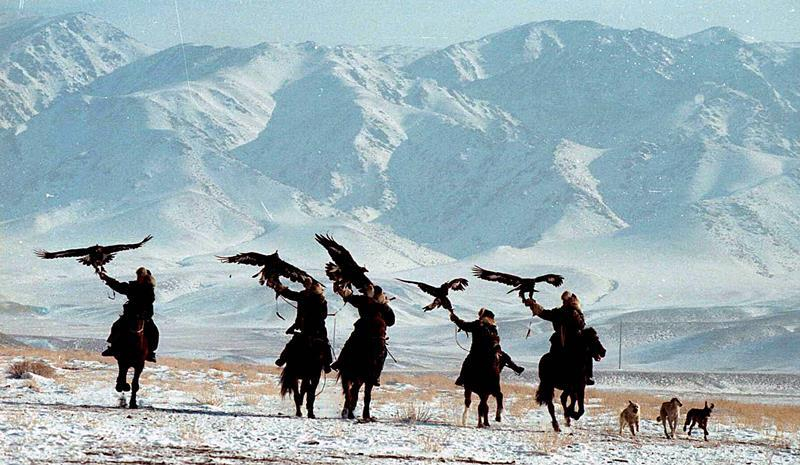
Photo credit: kazpravda.kz
In an interview with Kazinform, Arman Zhumadil, candidate of historical sciences and professor at Kazakh British Technical University, explained how information spread in traditional Kazakh society and why access to timely information was always considered strategically important.
Despite its apparent simplicity, the communication system of the Kazakh steppe was highly effective for its time. Messengers ensured speed, signal systems enabled rapid warnings in times of danger, while oral traditions and symbolic communication shaped a distinctive culture for transmitting information.
“The tribes and states that inhabited the Great Steppe developed numerous ways of transmitting information. Connections between civilizations evolved through military encounters, diplomacy, trade and family ties,” he said.
Silk Road as a medieval information network

Arman Zhumadil, candidate of historical sciences and professor at Kazakh British Technical University. Photo credit: inform.kz
The first large-scale exchange of information across Eurasia emerged alongside the Great Silk Road in the second century B.C.
According to Zhumadil, the Silk Road served a role similar to the internet in the modern world.
“If the internet today functions as a cultural and informational space, then in the Middle Ages the Great Silk Road fulfilled the same role,” he said.
The speed of communication, however, was far slower than today. Trade caravans traveling through the territory of modern Kazakhstan typically covered around 40 to 50 kilometers per day.
Zhumadil cited records from Arab political figures describing the distance between cities along the Silk Road as six to eight farsakhs, with one farsakh equal to approximately six kilometers.
“A caravan leaving at dawn had to reach the next city or roadside caravanserai before sunset. That was the speed of communication at the time,” he said.
Messengers and smoke signals
Travel between distant regions could sometimes take months, but urgent information relied on specially organized delivery systems.
According to Zhumadil, important messages and intelligence reports were delivered by specially trained messengers and heralds known as shabarmans. The system became particularly advanced during the era of Genghis Khan.
“Stations were established every 30 kilometers along major routes where messengers could change horses, allowing them to travel up to 150 kilometers per day,” Zhumadil said.
Warriors also traveled with multiple horses during military campaigns, switching mounts while moving to cover large distances quickly.
In dangerous situations, information spread even faster through signal systems using fire and smoke. Watching fires lit on hills and elevated points warned communities about approaching enemies.
“These signals were positioned 20 to 30 kilometers apart, making it possible to relay warnings almost instantly,” Zhumadil said.
Another method of communication was the atoy, or battle cry, which served both to intimidate enemies and alert nearby allies and settlements.
Language of symbols
In traditional Kazakh society, information was not always communicated directly. Symbols, gestures, and indirect expressions carried important meanings.
“Kazakhs have a saying: ‘One who does not understand a sign understands nothing,’” Zhumadil said, describing it as evidence of a deeply developed culture of symbolic communication.
He noted that people often expressed emotions and intentions through symbols rather than direct speech, reflecting the high value placed on words.
This tradition frequently appears in Kazakh folklore, especially in stories about Zhirenshe Sheshen and Karashash, who communicated through signs and symbolic gestures. Zhirenshe Sheshen is remembered in Kazakh folklore as a witty and eloquent speaker whose intelligence was matched by Karashash.
Zhumadil also referred to accounts by the ancient Greek historian Herodotus describing customs among the Saka tribes. According to those accounts, Scythian men expressed sympathy toward a woman by hanging a quiver at her doorway. If the woman brought the quiver inside, it signaled consent.
Visual signs also played an important social role.
According to Zhumadil, Kazakhs could determine the condition of an aul, or nomadic settlement, through symbols such as mourning flags.
“When a man died, a black flag was raised. If an elderly person passed away, a white flag was displayed. Travelers who saw such signs not only offered condolences but also carried the news further,” he said.
The delivery of tragic news itself followed special cultural traditions.
“Kazakhs traditionally did not deliver bad news directly. Instead, they practiced estirtu, a custom in which a person was gradually prepared for difficult news through philosophical reflection and stories from the past,” Zhumadil said.
He cited historical accounts describing how the poet Umbetei-zhyrau informed Abylai Khan about the death of the warrior Bogenbai Batyr only after reflecting on life, history and the fleeting nature of the world.
The most widespread method of spreading information across the Kazakh steppe was known as uzyn kulak, or long ear, an oral transmission of news.
“In nomadic life, travelers were the main source of information because they carried the latest news with them. As a result, residents of an aul welcomed travelers with special respect and asked them about developments across the steppe,” Zhumadil said.
The article was originally published in Kazinform.
